
Winter in Kentucky may not always bring heavy snow like northern states, but even modest snowfall and freezing temperatures can cause significant damage to residential roofs. Snow, ice, and freeze-thaw cycles work together to compromise roofing materials over time — often with little warning until serious problems appear.
Understanding how winter weather affects roofs empowers homeowners to act early and avoid costly repairs down the road.
1. Snow Load and Structural Stress
Even a few inches of snow can add considerable weight to a roof — especially if the snow becomes wet and dense. Roof structures that weren’t properly reinforced may experience:
sagging rooflines
bowed decking
stress on rafters and trusses
Over time, repeated snow loads can weaken the structural integrity of the roof.
2. Ice Dams and Water Backups
Ice dams form when:
heat from inside the home warms the top of the roof,
snow melts and runs down,
the lower roof is cold and refreezes in the eaves.
This creates a ridge of ice that traps water on the roof surface. The trapped water then seeps under shingles and into the roof system — often causing:
leaks inside the attic
ceiling stains
warped sheathing
mold development
Ice dams are one of the most destructive winter roofing problems, and they often go unnoticed until interior damage occurs.
3. Freeze-Thaw Cycles Weaken Roof Materials
Kentucky winter temperatures frequently rise above freezing during the day and drop below at night. This repeated freeze-thaw cycle causes roofing materials to:
expand and contract
crack sealants
loosen shingles
degrade flashing
Over time, the cumulative effect creates pathways for moisture entry and weak spots that lead to leaks.
4. Snow Melt and Water Intrusion
Snow that melts quickly can pour large volumes of water into your gutter system. If gutters are clogged or poorly pitched, that water can collect at the roof edge, seep under shingles, and cause:
interior drywall damage
insulation saturation
wood rot in roof framing
mold and mildew
5. Why Early Inspections Matter
Waiting for visible leaks can be costly. Homeowners who schedule winter or post-winter roof inspections can catch early signs of damage like:
soft or sagging roof decking
granule loss on shingles
lifted or cracked shingles
compromised flashing
attic condensation or mold
How Homesteads Roofing Helps
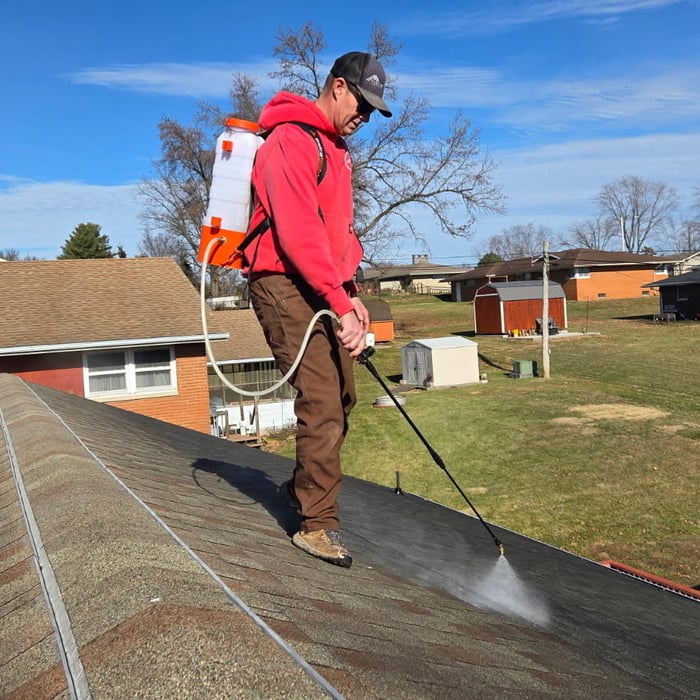
Homesteads Roofing specializes in assessing and repairing snow and ice related roof damage across Kentucky. Our team provides:
thorough winter roof inspections
reliable repairs of leaks and structural damage
ice dam mitigation services
reinforcement recommendations for future winters
honest, clear estimates
Protecting your roof before spring rains arrive can save thousands later.