
Ice dams and winter roof damage are two of the biggest concerns for homeowners in Kentucky — especially in areas like Owensboro where snow and freezing temperatures are seasonal realities. While snow itself isn’t always catastrophic, the way it interacts with temperature and roof systems can be.
This guide explains why ice dams form, how they damage roofs, and most importantly — how to prevent them before damage occurs.
1. What Are Ice Dams?
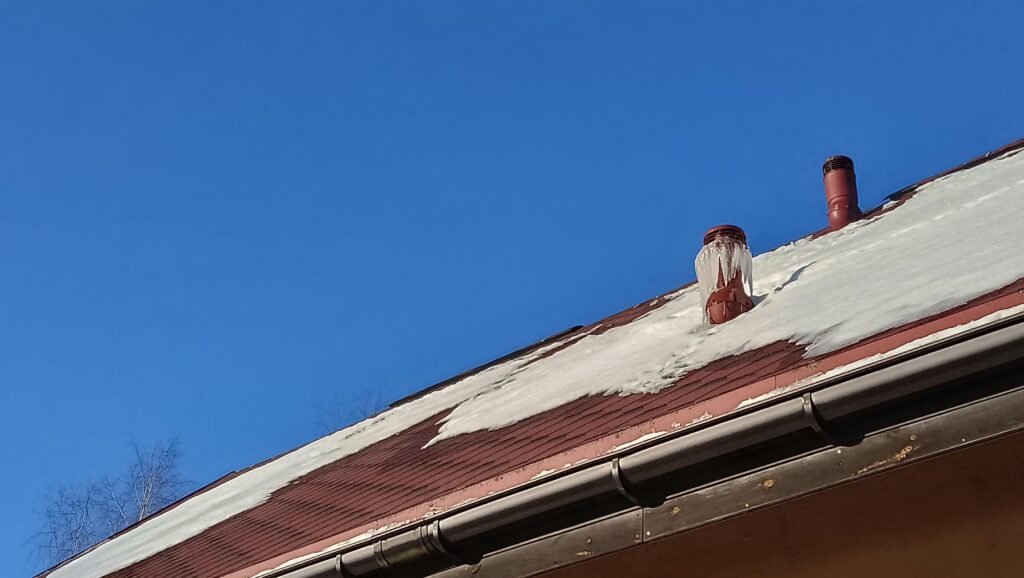
Ice dams are ridges of ice that form at the roof’s edge when snow melts unevenly and refreezes. Warm air from inside the home heats the roof surface, melting snow. As the melted snow runs down and reaches the cold eaves, it refreezes — forming a dam that traps water.
This trapped water can then back up under shingles and enter the roof structure.
2. The Cost of Ice Dams
When water backs up behind ice dams, it can cause:
interior ceiling damage
attic leaks
warped roof decking
mold and mildew growth
compromised insulation
These issues often go unnoticed until they are severe — which is why prevention is so important.
3. The Root Causes of Ice Dams in Kentucky
Ice dams form when:
attic heat escapes through poorly insulated ceilings
roof surface is unevenly heated
ventilation is inadequate
snow coverage is heavy or persistent
The combination of poor insulation and uneven roof temperature is the main driver.
4. How to Prevent Ice Dams
Prevention requires addressing heat and airflow:
✔ Improve Attic Insulation
Proper insulation keeps warm air from escaping into the attic, reducing snowmelt on the roof.
✔ Ensure Proper Ventilation
Balanced ventilation allows cold outside air to keep the roof deck temperature more uniform.
✔ Clear Gutters Before Winter
Unobstructed gutters allow snowmelt to drain properly without pooling at the edge.
✔ Professional Snow Removal (When Safe)
In heavy snow events, professionals can remove excess accumulation to prevent buildup.
5. The Role of Roof Design and Materials
Certain roofing materials and designs perform better in winter conditions:
Impact-resistant shingles
Synthetic underlayments
Ice and water shield barriers
Proper flashing around eaves and dormers
These systems reduce water penetration even when ice dams form.
6. How Homesteads Roofing Helps Homeowners Prevent Damage
Homesteads Roofing offers:
ice dam mitigation strategies
attic ventilation and insulation assessments
winter furring and repair plans
pre and post-winter roof inspections
storm and snow-related repair solutions
Preventing ice dams is a combination of good roof design and proactive maintenance — and Homesteads Roofing has the experience Kentuckians trust.