


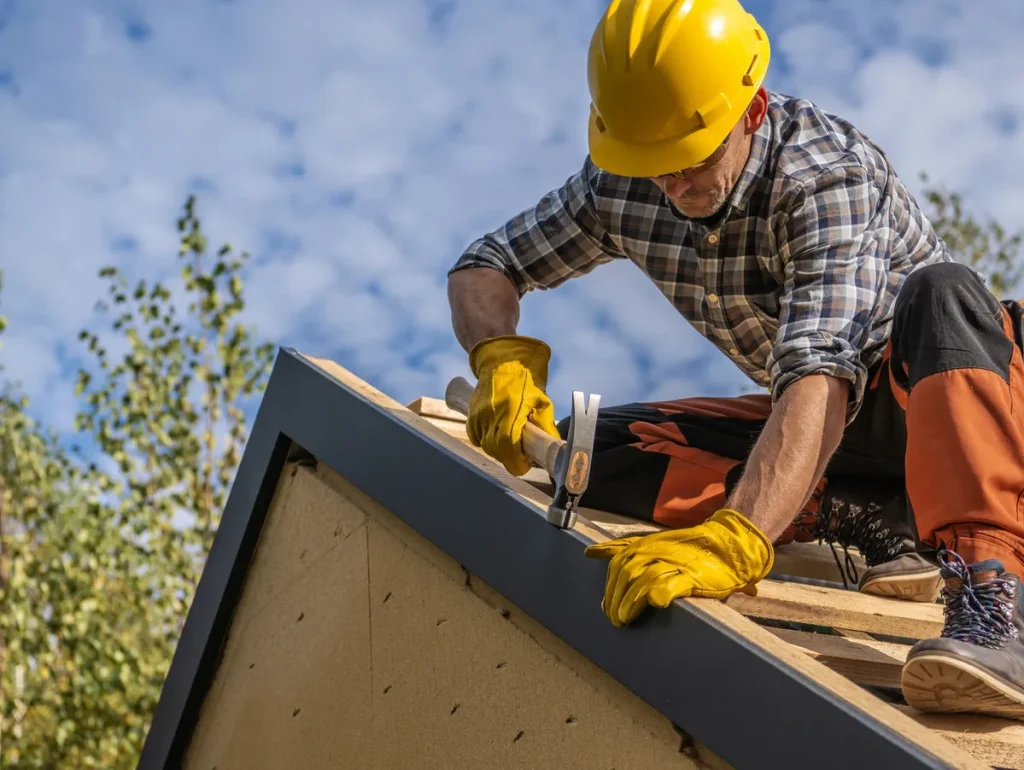
Kentucky homeowners are facing a new reality in 2026: storms are becoming more frequent, more intense, and more damaging to residential roofing systems.
Recent severe weather events across the region—including tornado activity and strong storm systems—have caused widespread roof damage, with homes losing shingles, sections of roofing, and even entire roof structures.
At the same time, roofing professionals across the U.S. are reporting a surge in demand following large storm systems, with repair costs rising due to both damage scale and material costs.
The New Storm Reality in Kentucky
Weather patterns in Kentucky now commonly include:
- high-wind storm systems
- hail strong enough to fracture shingles
- tornado activity affecting residential areas
- repeated seasonal storm cycles
These conditions are accelerating roof wear across the state.
Why Roof Replacement Is Increasing in 2026
One of the biggest shifts is that repairs are no longer enough.
Repeated storm exposure leads to:
- multiple leak points
- weakened underlayment
- compromised decking
- recurring repair costs
Instead of patching damage every season, homeowners are choosing full roof replacements.
The Cost of Waiting
Many homeowners delay action after storms—but this is becoming riskier.
Roof damage is responsible for 70–90% of residential storm-related insurance losses, making it the most vulnerable part of a home.
Small damage quickly escalates into:
- interior water damage
- mold growth
- structural deterioration
The 2026 Trend: Proactive Roof Replacement
Homeowners are now:
- replacing roofs earlier
- upgrading materials
- preparing for future storms
This proactive approach reduces long-term costs and avoids emergency situations.
How Homesteads Roofing Helps
Homesteads Roofing provides full roof inspections and replacement services across Kentucky, helping homeowners transition from reactive repairs to long-term protection strategies.