


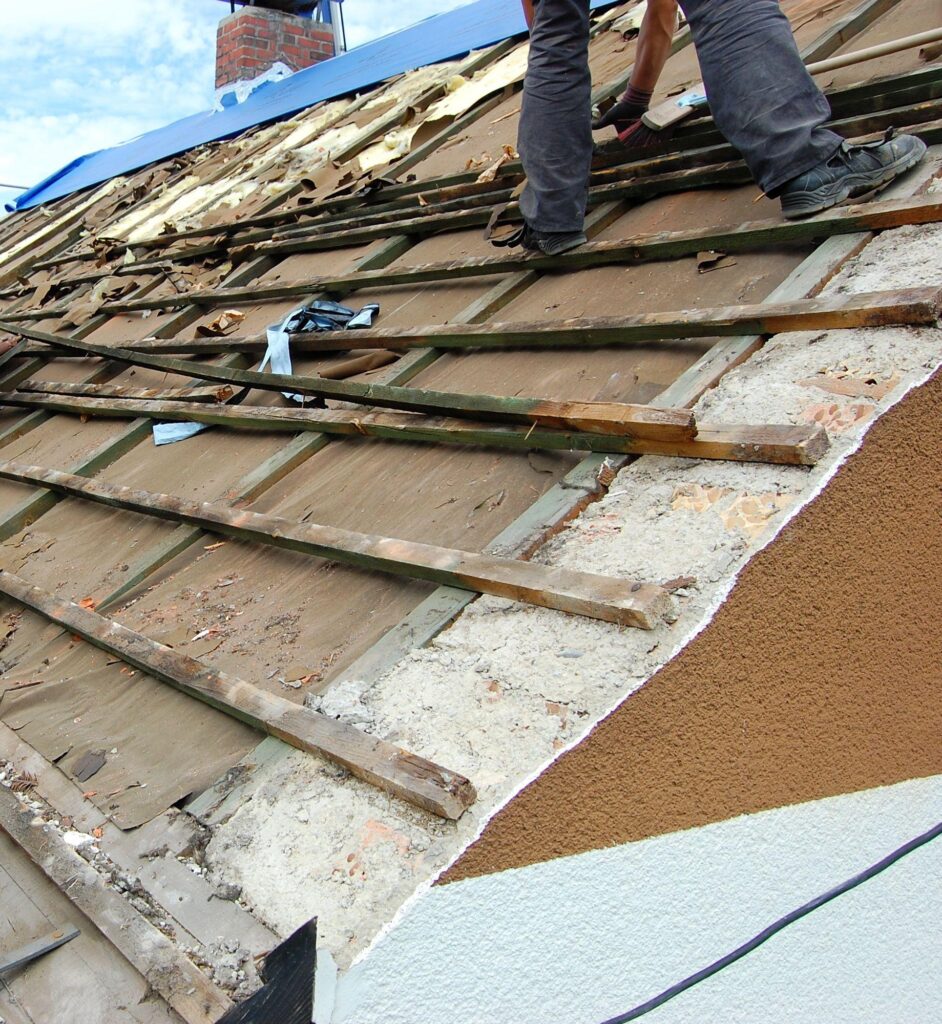
Storm season in Kentucky affects every roof—but aging roofs are at the highest risk for serious damage.
In 2026, many homeowners are discovering that roofs installed 10–20 years ago are no longer capable of handling today’s stronger weather patterns.
Why Older Roofs Fail Faster
Over time, roofing materials naturally deteriorate due to:
- UV exposure
- moisture cycles
- freeze–thaw expansion
- repeated storms
As materials weaken, even moderate weather can cause major problems.
Common Problems With Aging Roofs
Older roofs frequently experience:
- cracked or brittle shingles
- loose flashing
- granule loss
- weakened sealants
- ventilation issues
These conditions make the roof more vulnerable during storms.
Storm Season Accelerates Existing Damage
A roof already weakened by age may experience:
- shingles blowing off during wind events
- rapid leak development
- structural water damage
- repeated repair needs
Storms often expose issues homeowners didn’t realize existed.
Repair or Replace?
Repairs may still work if damage is isolated.
However, replacement is usually recommended when:
- damage appears repeatedly
- repairs become frequent
- multiple sections are compromised
Modern roofing systems offer significantly stronger protection.
Why Homeowners Are Replacing Roofs Earlier
Many Kentucky homeowners are now replacing roofs proactively to:
- avoid emergency repairs
- improve storm resistance
- reduce long-term maintenance costs
This shift is becoming increasingly common in 2026.
How Homesteads Roofing Helps
Homesteads Roofing helps homeowners evaluate aging roofs and determine whether repair or replacement is the most effective long-term solution.