


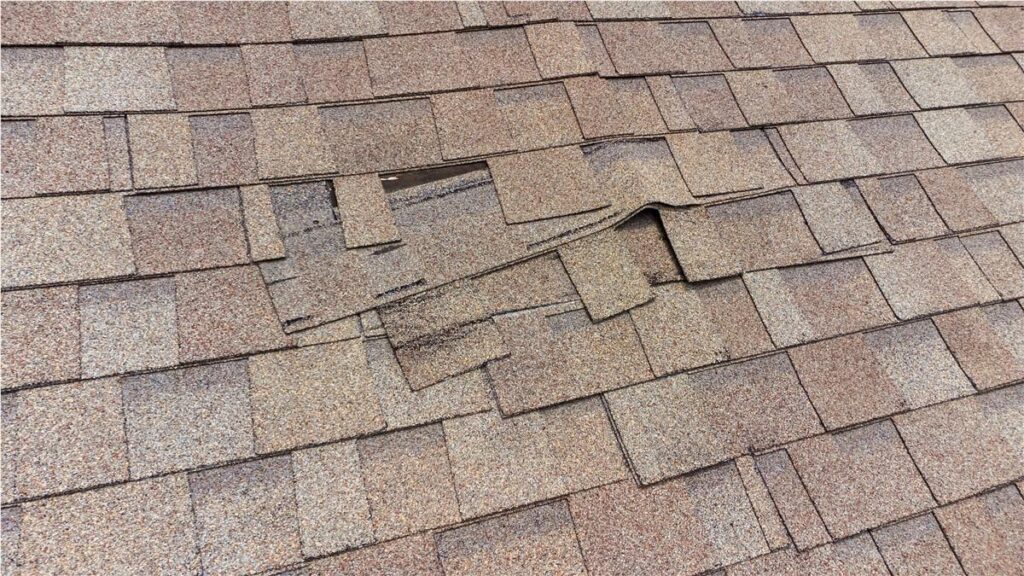
When homeowners think about roof damage in Kentucky, they usually focus on storms, hail, or wind. But one of the biggest roofing problems in 2026 is something less visible: humidity.
Kentucky’s combination of rain, seasonal heat, and moisture creates the perfect environment for hidden roof deterioration.
Why Humidity Is Dangerous for Roofs
High humidity affects roofing systems by:
- trapping moisture in attic spaces
- weakening wood structures
- accelerating mold growth
- reducing insulation performance
Over time, excess moisture silently damages the roof from the inside out.
Signs of Humidity-Related Roof Problems
Many homeowners notice:
- musty smells in the attic
- mold spots near ceilings
- peeling paint
- unusually high energy bills
- condensation near vents
These are all signs that moisture may be trapped inside the roofing system.
Poor Ventilation Makes Everything Worse
Without proper attic ventilation:
- heat and moisture build up rapidly
- shingles deteriorate faster
- wood decking weakens
- mold spreads more easily
Ventilation problems are one of the most overlooked causes of roof damage in Kentucky homes.
Why This Problem Is Growing in 2026
Recent weather patterns in Kentucky have brought:
- longer humid periods
- more rainfall
- warmer seasonal temperatures
This combination is increasing the number of moisture-related roofing problems across the state.
Preventing Long-Term Damage
Homeowners can reduce humidity-related issues by:
- scheduling attic inspections
- improving ventilation systems
- repairing leaks early
- replacing damaged roofing materials
Preventive maintenance is far less expensive than structural restoration.
How Homesteads Roofing Helps
Homesteads Roofing helps homeowners identify ventilation and moisture issues early, preventing hidden roof damage before it becomes a major repair project.
As storms become stronger across Kentucky, more homeowners are upgrading to impact-resistant roofing systems designed to handle hail, wind, and severe weather.
In 2026, durability is becoming one of the biggest priorities in the roofing industry.
What Is Impact-Resistant Roofing?
Impact-resistant roofing uses specially engineered materials designed to withstand:
- hail impact
- flying debris
- strong wind pressure
- repeated storm exposure
These systems are far more durable than traditional roofing materials.
Why Demand Is Increasing in Kentucky
Homeowners across Kentucky are experiencing:
- more frequent hailstorms
- stronger seasonal storms
- rising repair costs
- repeated insurance claims
As a result, many are choosing stronger roofing systems upfront.
Benefits of Impact-Resistant Roofs
Modern reinforced systems provide:
- fewer repairs after storms
- longer roof lifespan
- improved weather protection
- stronger structural performance
Some homeowners may also benefit from insurance advantages depending on the system installed.
When Upgrading Makes Sense
Impact-resistant roofing is especially valuable if:
- your home has repeated storm damage
- your roof is older
- hail damage has occurred before
- replacement is already being considered
Upgrading during replacement often saves money long-term.
Modern Roofing Is Built for Today’s Climate
Today’s roofing systems are designed specifically for evolving weather conditions—not the climate of 15 years ago.
This is changing how homeowners approach roof replacement in Kentucky.
How Homesteads Roofing Helps
Homesteads Roofing installs modern impact-resistant roofing systems across Kentucky, helping homeowners build stronger, storm-ready homes for the future.