


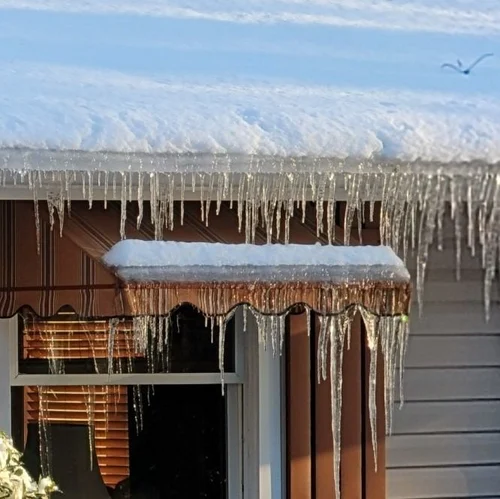
Storm season in Kentucky leaves lasting effects long after skies clear. High winds, hail, and heavy rainfall gradually weaken roofing systems—often in ways that aren’t immediately visible from the ground.
Many roofs suffer cumulative damage over multiple storms. Each event slightly lifts shingles, stresses flashing, and allows moisture beneath surface materials. Eventually, these weaknesses lead to leaks, rot, and costly repairs.
Why Storm Damage Is Often Hidden
After storms, roofs may appear intact, but internal damage can include:
fractured shingle surfaces from hail
broken adhesive seals
displaced underlayment
moisture trapped beneath roofing layers
weakened fastening systems
These problems usually surface months later as interior leaks.
Repair vs Replacement After Storm Damage
Roof repair is usually sufficient when:
damage is localized
shingles are lifted but limited in number
flashing issues are isolated
the roof is relatively new
Roof replacement becomes necessary when:
damage spans multiple roof sections
shingles show heavy granule loss
decking has moisture damage
the roof has suffered repeated storm exposure
Professional inspections determine the safest and most economical path forward.
Reinforced Roofing Systems for Kentucky Homes
More homeowners are choosing storm-resistant upgrades such as:
Class 3 or Class 4 impact-resistant shingles
synthetic waterproof underlayment
high-wind fastening systems
enhanced ventilation layouts
upgraded flashing details
These systems significantly reduce future repair needs.
Why Post-Storm Repairs Shouldn’t Wait
Delaying storm repairs often leads to:
interior drywall damage
mold growth
insulation failure
structural rot
higher restoration costs
Early intervention protects both roof integrity and property value.
Homesteads Roofing’s Storm Restoration Approach
Homesteads Roofing specializes in storm-related roof repair and reinforcement, helping Kentucky homeowners assess damage accurately, repair vulnerable areas, and prepare for upcoming weather.
Storm recovery isn’t just about fixing damage—it’s about building resilience.